Care · 6 min
How to Keep Silver From Tarnishing and Clean 925 Silver at Home
Updated
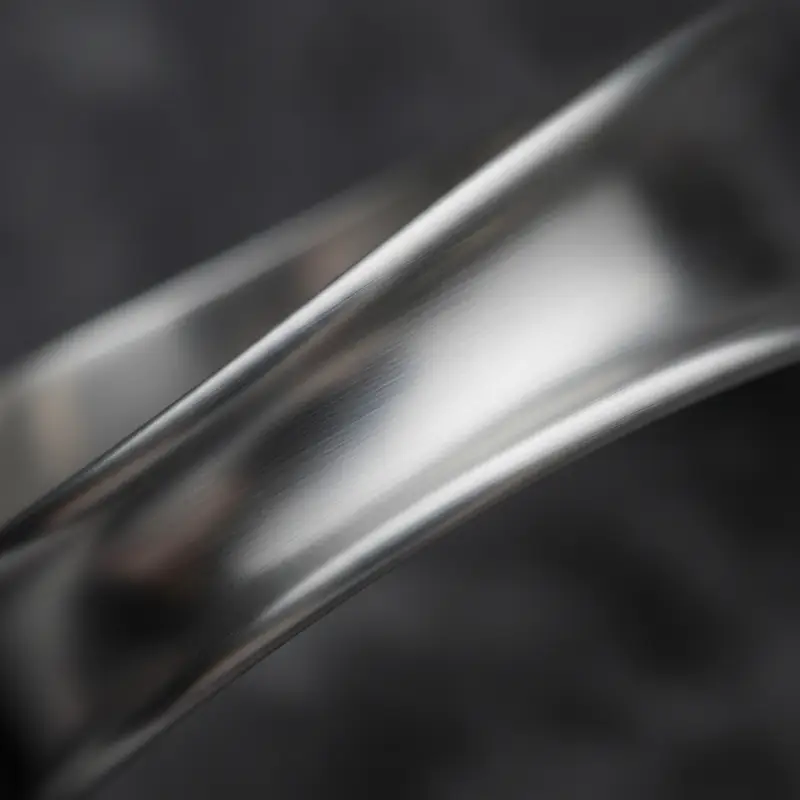
To keep silver from tarnishing, limit its contact with air, humidity and sulfur. Store each piece dry in a closed pouch or zip bag, add an anti tarnish strip, keep it away from the bathroom, and wipe it with a soft cloth after wearing. Wearing your silver often also helps, because gentle friction keeps the surface bright.
Tarnish on 925 sterling silver is normal and usually easy to remove at home with mild soap, warm water and a silver polishing cloth. Prevention just means you will need to clean it less often.
Why sterling silver tarnishes
Sterling silver is 92.5% silver mixed with other metals, most often copper, which makes it strong enough for jewelry. That is what the 925 stamp means. Silver reacts with sulfur compounds in the air and forms a thin dark layer of silver sulfide. That layer is tarnish. It starts as a yellowish tone, then turns gray and, if left alone, becomes almost black.
Tarnish is a surface reaction. It does not mean the silver is fake or low quality, and in most cases it can be cleaned off without damaging the piece.
What speeds up tarnish
Some everyday situations make silver darken faster than usual:
- Humidity, especially in bathrooms and in humid summer months.
- Sulfur sources: rubber bands, wool, some cardboard boxes, eggs, onions and certain foods.
- Cosmetics: perfume, hairspray, lotion and sunscreen left on the metal.
- Chlorine from pools and hot tubs, and household cleaners with bleach.
- Sweat, which can vary a lot from person to person.
Daily habits that keep silver bright
Prevention is mostly about small habits. Put your silver on after perfume and lotion have dried, and take it off before showering, swimming, cleaning or working out. After wearing, wipe each piece with a soft dry cloth to remove skin oils and moisture before putting it away.
Interestingly, silver you wear often tends to tarnish less than silver forgotten in a drawer, because light friction against skin and clothes polishes the surface. The exception is if your sweat or skin products react strongly with the metal.
How to store silver to slow tarnish
Storage is where most of the prevention happens:
- Keep each piece in its own small zip bag with the air pressed out, or in a lined jewelry box with a lid.
- Add an anti tarnish strip or a small silica gel packet to absorb moisture and sulfur.
- Store jewelry in a bedroom drawer, not in the bathroom.
- Avoid rubber bands, felt that is not labeled tarnish resistant and regular cardboard.
- Keep chains closed and laid flat so they do not tangle or scratch other pieces.
How to clean 925 silver at home
For light tarnish, start with the gentlest method. Mix a few drops of mild dish soap in a bowl of warm water, soak the piece for a few minutes and clean it with a soft cloth or a very soft toothbrush, paying attention to links and details. Rinse well and dry completely.
If the piece still looks gray, use a silver polishing cloth. Rub in straight, gentle strokes instead of circles, and turn the cloth to a clean area as it gets dark. These cloths usually contain a mild polishing agent and work very well on sterling silver.
Home tricks, and when to see a jeweler
The aluminum foil and baking soda bath is a popular home method that removes tarnish through a chemical reaction. It can work on plain silver, but it may also remove the intentional dark finish (oxidation) used on some designs to highlight details. Toothpaste and baking soda pastes are abrasive and can leave fine scratches, so many jewelers do not recommend them for regular use.
Also be careful with silver that has stones, pearls, enamel or gold plating. Soaking and rubbing can loosen glue or damage these parts. For those pieces, a soft dry cloth or a professional cleaning is safer.
A simple silver care routine
You do not need to spend much time on this. A light routine is usually enough to keep sterling silver looking its best:
- After every wear: wipe with a soft dry cloth and put the piece back in its bag.
- Every few weeks: a quick pass with a silver polishing cloth on pieces you wear often.
- Every few months: a gentle wash with mild soap and warm water, then complete drying.
- When the seasons change: check your anti tarnish strips and silica packets and replace them if needed.
- Before a special event: give your favorite piece a final polish so it shines in photos.
- Heavy, black tarnish in tiny details, pieces with delicate stones or antique silver are good candidates for professional cleaning. A jeweler can also tell you if a darker look is a design choice that should be kept.
- At KJ we offer 925 sterling silver alongside Brazilian semi-jewelry, and if you are unsure how to care for a piece, you can send us a message on WhatsApp.
Frequently asked questions
Does 925 silver tarnish?
Yes. Sterling silver naturally tarnishes over time because silver reacts with sulfur in the air. It is normal and usually easy to clean at home.
Can I wear sterling silver in the shower?
It will not ruin the silver right away, but soap, shampoo and water minerals leave a film and humidity speeds up tarnish. It is better to take it off and keep it dry.
Do anti tarnish strips really work?
They help. The strips absorb sulfur compounds and moisture inside a closed bag or box, which slows tarnish. They need to be replaced from time to time, following the instructions on the package.
Why does my silver turn black so fast?
Common reasons are humid storage, contact with cosmetics or chlorine, and individual body chemistry. Storing silver in closed bags with an anti tarnish strip often makes a big difference.
Is it safe to use the foil and baking soda method?
On plain sterling silver it is often fine, but it can remove decorative oxidation and is not recommended for pieces with stones, pearls or plating. When in doubt, use mild soap and a polishing cloth.
Keep reading